OCR reads
Returns the characters found in the image for logging, logic or comparison with another data source.
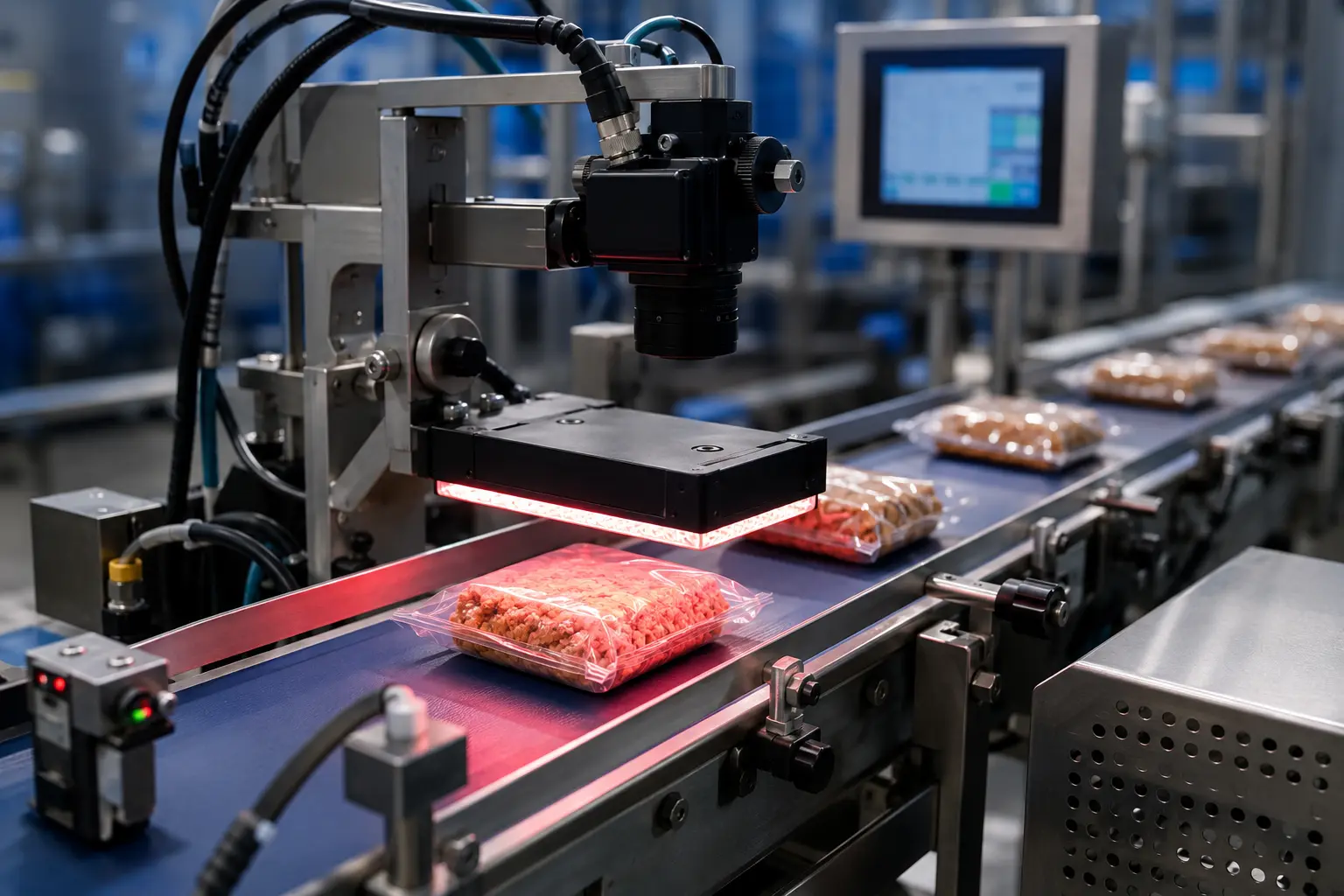
Choose the right character tool for variable dates, batch codes and lot marks—and understand why many production systems combine reading, verification and print-quality checks.
OCR (optical character recognition) answers “what characters are printed?” and returns a text string. OCV (optical character verification) answers “does this print match the expected characters or taught reference?” OCR is useful when content must be captured; OCV is often simpler when the correct value is already known.
The final choice depends on the code variability, source of the expected value, print quality, font set, line speed and the data that must be stored or exchanged.
Technology names matter less than the required outcome. If the system must capture an unknown lot string for a database, OCR is the natural starting point. If the exact date is supplied by the active recipe and only a match is needed, OCV may provide a focused verification result.
Returns the characters found in the image for logging, logic or comparison with another data source.
Compares visible characters or features with the known value or approved reference.
Measure presence, completeness, contrast, position and other physical print conditions.
Use the appropriate tools together when the line must prove content and readability.
Both methods depend on stable images and representative print. Neither removes the need for suitable lighting, focus, handling and failure testing.
Read a changing supplier lot, serial or batch value when the characters must be captured as data.
Verify a date or code already authorised by the active product recipe, PLC or job record.
Capture a code with OCR, apply format or calendar logic and compare it with the production value.
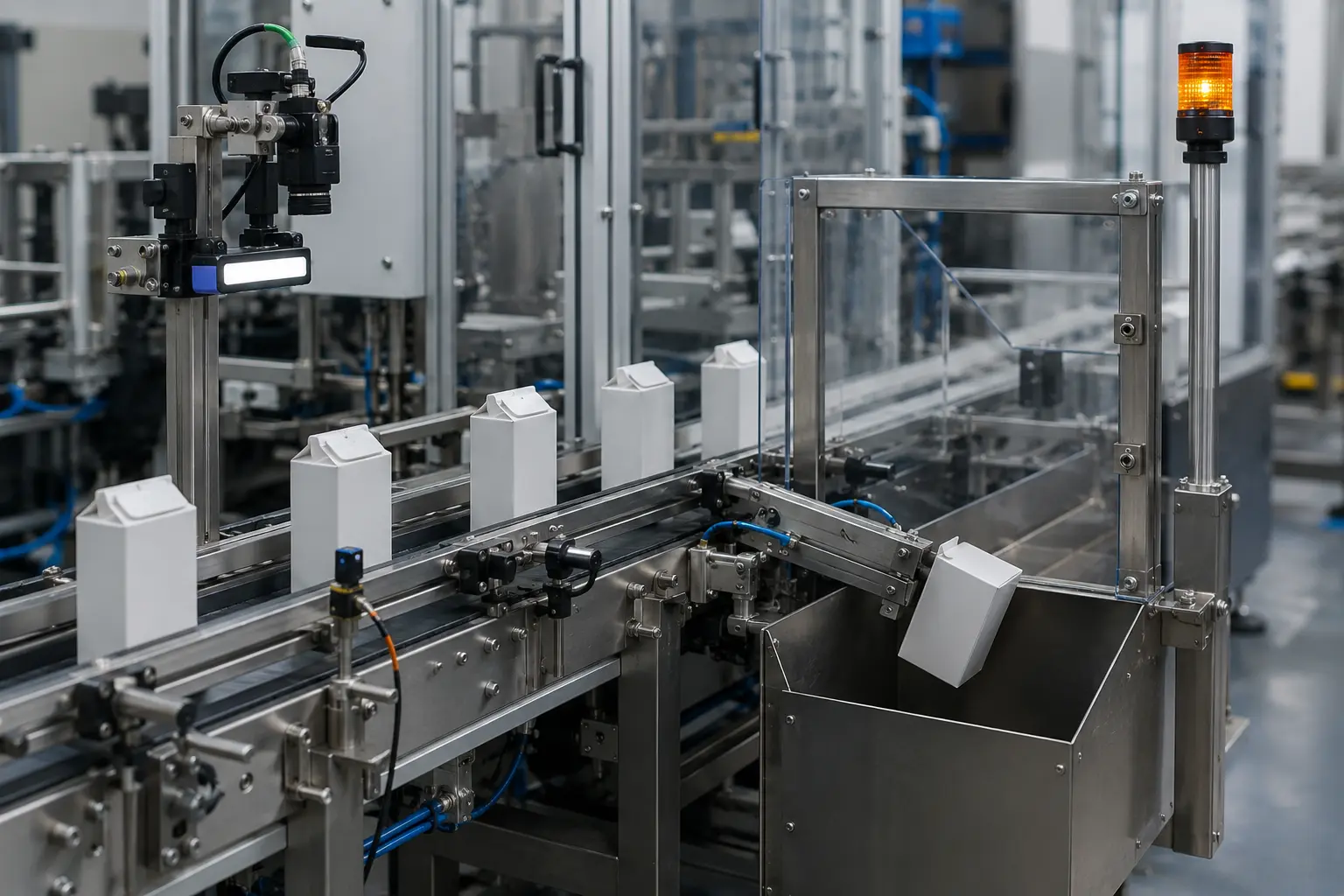
Real samples should be trialled across every legitimate font and format, including the weakest acceptable print. This establishes recognition confidence, verification tolerance and the expected false-reject risk before production deployment.
Use these related pages to define the character method, physical print check and failed-product response.
Answers are based on typical industrial machine-vision projects; final performance and scope follow representative trials and the measured line conditions.
Neither is universally better. OCR is appropriate when characters must be identified or captured. OCV is appropriate when the expected value is known and the task is to confirm a match. The application may use both.
Yes, if the current expected date is supplied or calculated for each job. OCV does not require the same date forever; it requires a known reference at the time of inspection.
OCR can return the date string to logic that checks format, calendar validity, shelf-life rules or a database value. Recognition and date validation are separate stages.
They can produce a failure or low-confidence result, but dedicated presence, completeness, contrast and position tools may be added when the physical reason for poor print must be controlled.
Send approved formats, marginal codes and known failures. We will assess whether OCR, OCV or a combined inspection provides the clearest production result.